Portland, Oregon
Jamii Court
Estimated Completion
2027Size
99,807 SF96 units
5 stories
Located along a bustling thoroughfare in Southwest Portland, Jamii (pronounced Jah-MEE) Court is a 96-unit affordable housing community with a large share of family-sized units and services that are culturally specific to communities already living in the area that are at risk of displacement. The project zoning includes West Portland Multicultural Plan District overlay requiring a nod to local population which is 28% Arab and East African, and Muslim.
Designed to support East African immigrant and refugee families including those navigating disability and transitioning out of long-term homelessness, “Jamii,” derived from the Swahili language, means “community.” These regulated affordable homes will be available to households earning a wide range of lower incomes, including up to 30%, 40%, 50% and 60% of the area median income. The complex will also offer 39 homes that come with rental assistance, ensuring residents won’t have to pay more than they can afford. CPAH will provide resident services.
Fifteen homes will come with supportive services that help families and individuals with higher needs maintain housing stability. Those homes will receive services from Urban League of Portland that include case management and referrals to mental health and health care.
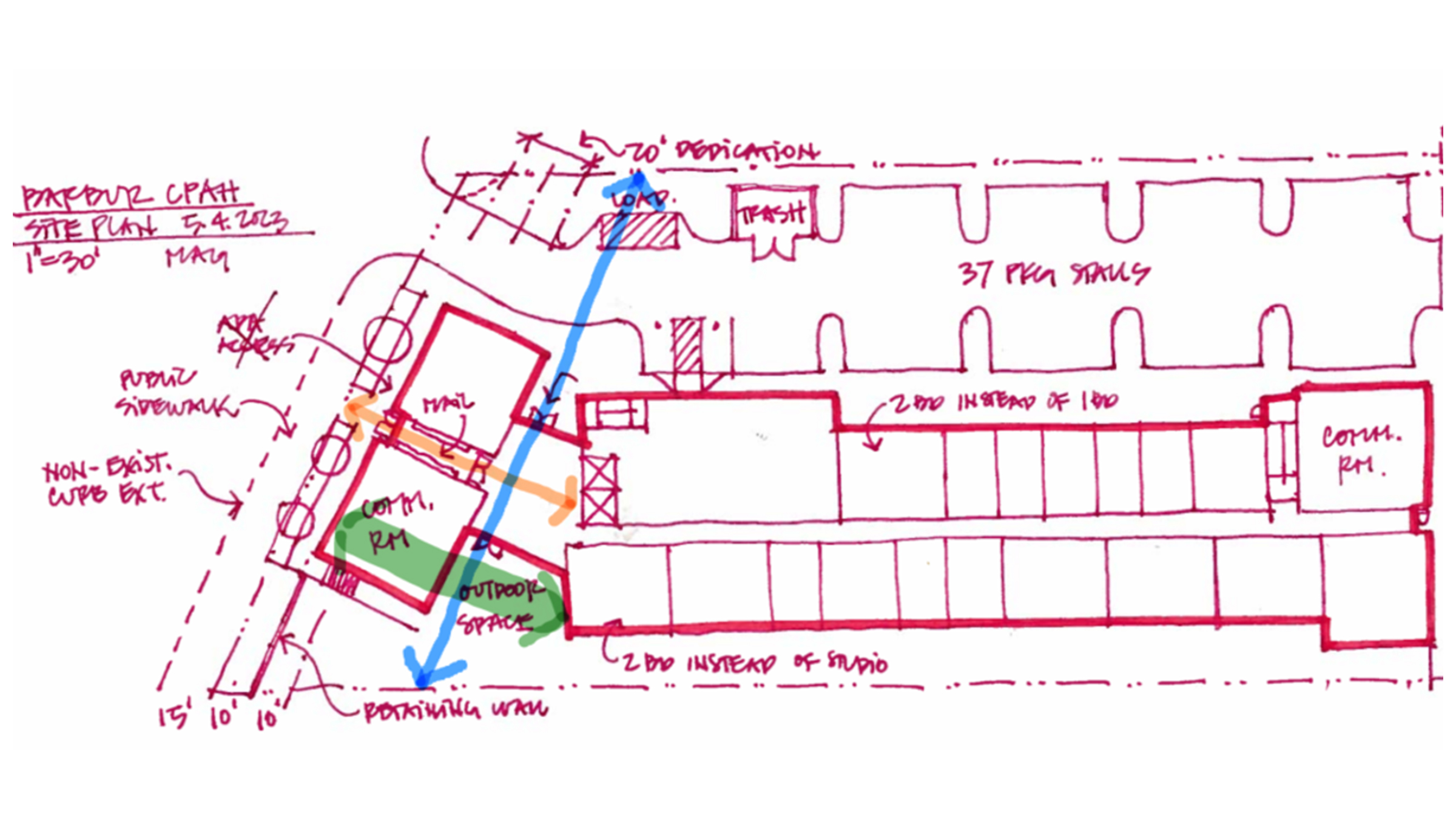
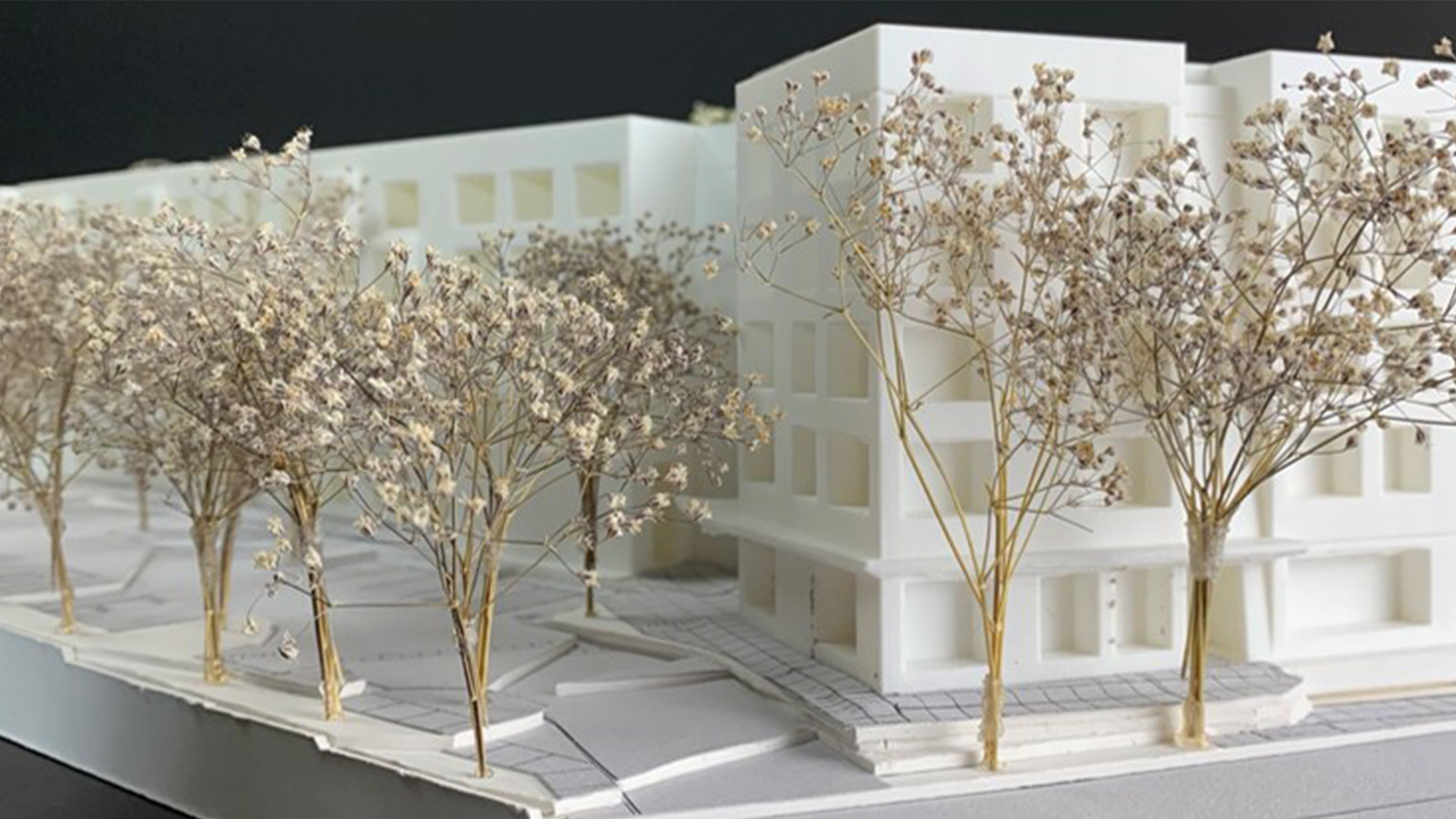
Composed of three interconnected masses, the building is split into the Barbur‑facing volume, the east–west bar, and the knuckle that links them. The Barbur mass aligns with the street, while the bar mass follows the site’s east–west axis. The Barbur façade is intentionally pulled back from the roadway to create a welcoming entry along the civic corridor and to establish a meaningful frontage. Together, these massing elements create several distinct placemaking spaces across the site: the Barbur‑facing stoop, the North Plaza at the connecting knuckle, and the South Courtyard, which is tucked between building volumes and protected from Barbur Boulevard traffic.
Materials were selected for durability and longevity, supporting a 50-year building lifespan and advancing sustainability and resiliency goals.
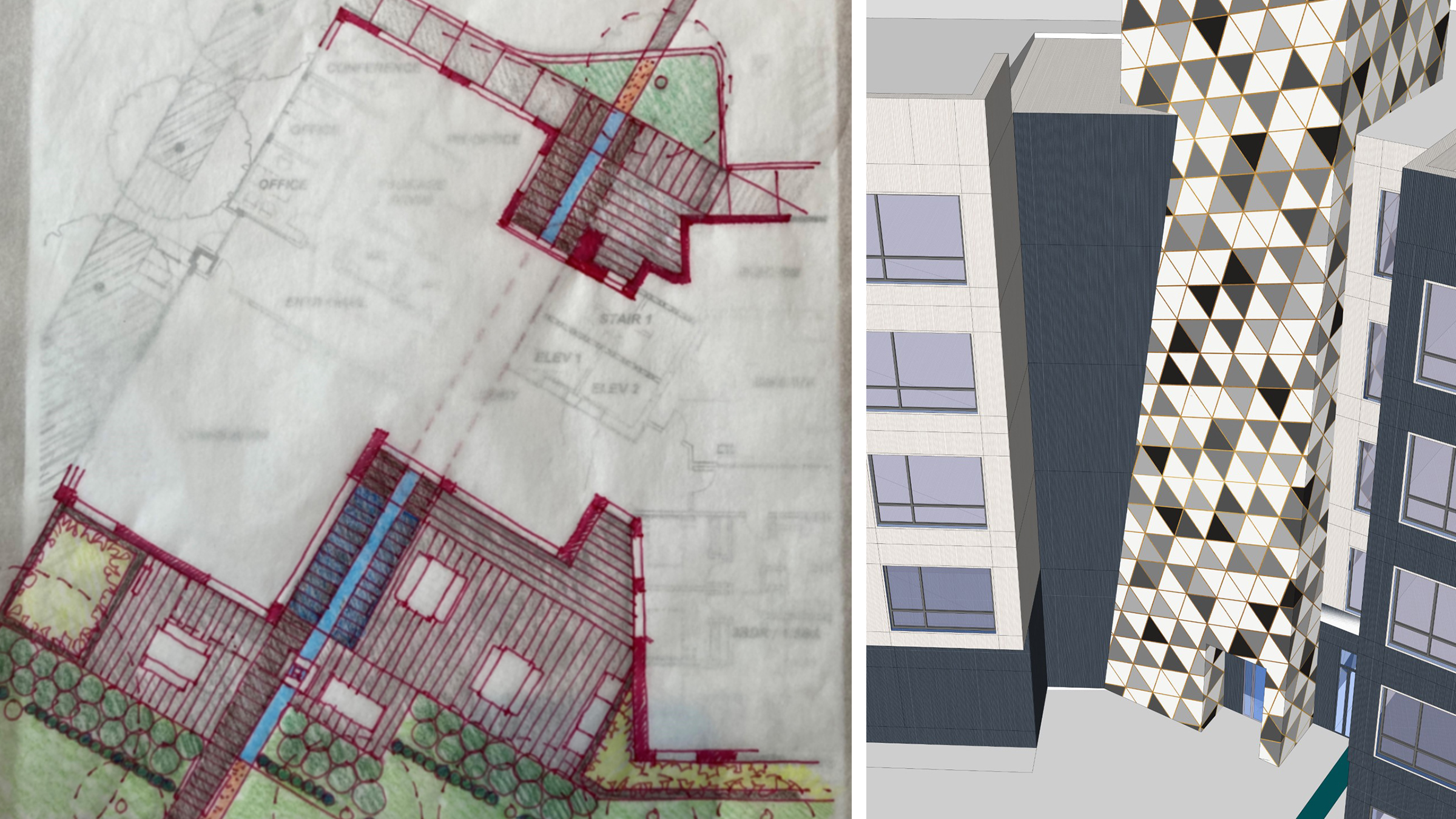
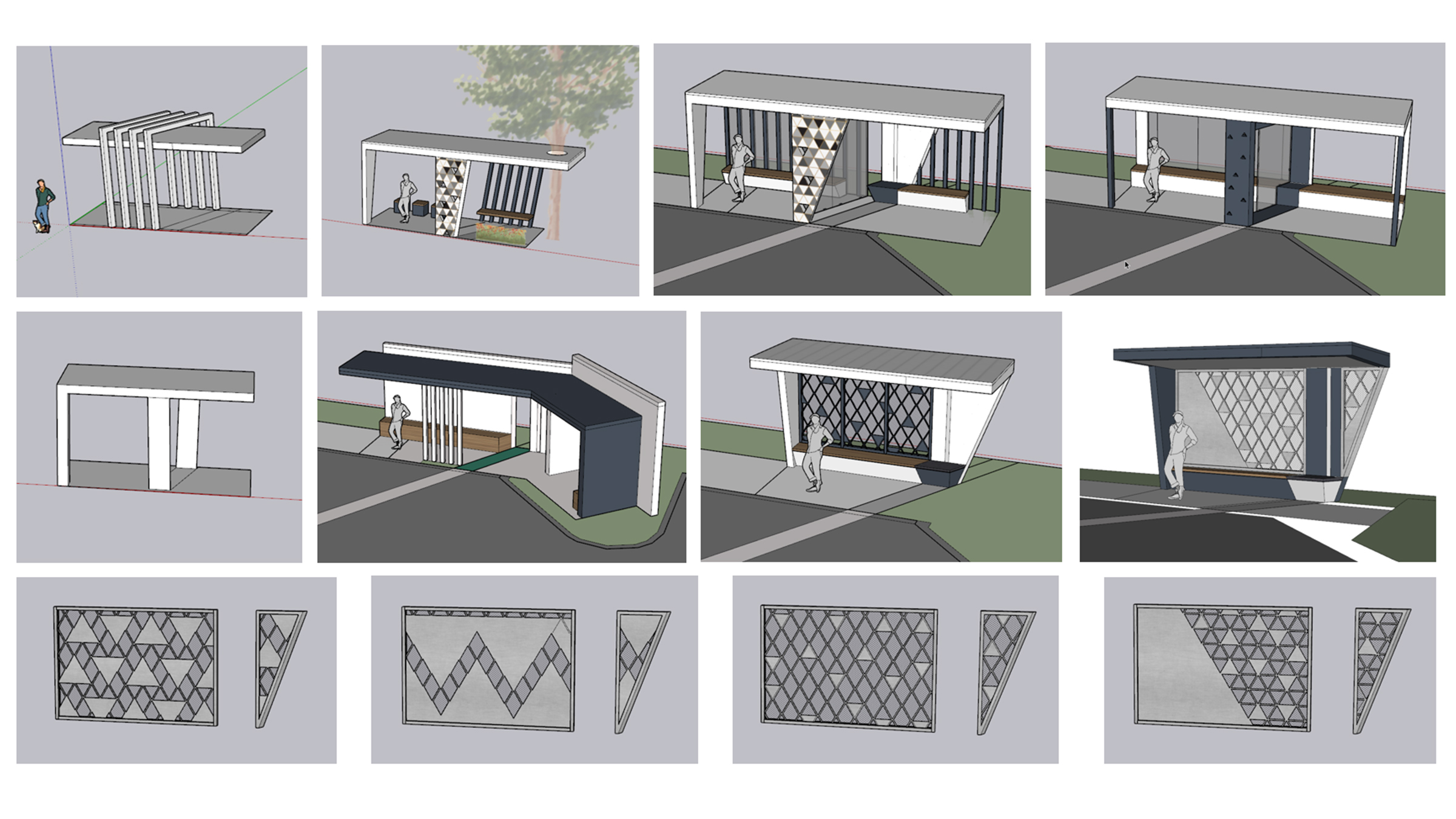
Islamic influences are thoughtfully woven throughout the community’s design, drawing on three key elements: the jali, the qibla, and color. A jali-inspired triangular motif is selectively applied at vertical circulation points to mark entrances and exits. These angled wall-and-roof forms feature a custom graphic pattern that reinforces identity and wayfinding.
Window bays are angled in alignment with the qibla, subtly embedding cultural and spiritual orientation into the building form while adding depth and variation to the façade. A palette rooted in traditional Islamic colors such as green (the Cloak of Muhammad and the color of the Kaaba’s dome), blue (spirituality and the heavens), gold (divine perfection), and white (purity) are expressed across both interior and exterior elements. Window bays are accented with two shades of green, and the graphic pattern on the angled “woof” wall is outlined in gold. Blue creates a continuous thread, symbolizing water, flowing from the waiting area through the plaza, into the lobby, and ultimately to the water feature in the South Courtyard.
References to water (another important part of Muslim culture) are woven into the design concept, as a unifying element across the site, complemented by architectural forms that create a sense of movement, particularly in the north and south-facing window projections. These features are carefully composed to reflect both function and cultural meaning.
Thoughtfully designed amenities like community gathering spaces, a lending library, computer stations, and outdoor areas with fruit trees foster connection and well-being.
The project is the result of a collaborative partnership between CPAH and HAKI, a community organization for East African Immigrants, who engaged the Southwest Portland Islamic community throughout the development process. Community input directly shaped key aspects of the project, including its name, the design of shared community spaces, and the inclusion of larger units to support multigenerational living.
CPAH and Metro also conducted outreach with the broader Southwest Portland community, which strongly supported the addition of affordable housing in the neighborhood. This engagement generated ideas ranging from fruit trees and play areas to stronger connections with adjacent Markham Elementary School. The final design reflects these shared priorities, incorporating many of the elements identified through both outreach efforts.
Jamii Court is set to achieve LEED Platinum for Homes.